Battle of the Boyne
1690 CE · Ireland
The Battle of the Boyne was fought in 1690 CE in Ireland between Williamite forces (England, the Dutch Republic and Protestant Irish) vs Jacobite forces (Irish and French); Williamite victory; James II fled Ireland.
Battle of the Boyne: quick facts
- Date
- 1690 CE
- Location
- Ireland
- Belligerents
- Williamite forces (England, the Dutch Republic and Protestant Irish) vs Jacobite forces (Irish and French)
- Commanders
- William III vs James II
- Result
- Williamite victory; James II fled Ireland.
- Era
- ⛵ Colonial & Napoleonic Era
- Quiz difficulty
- hard
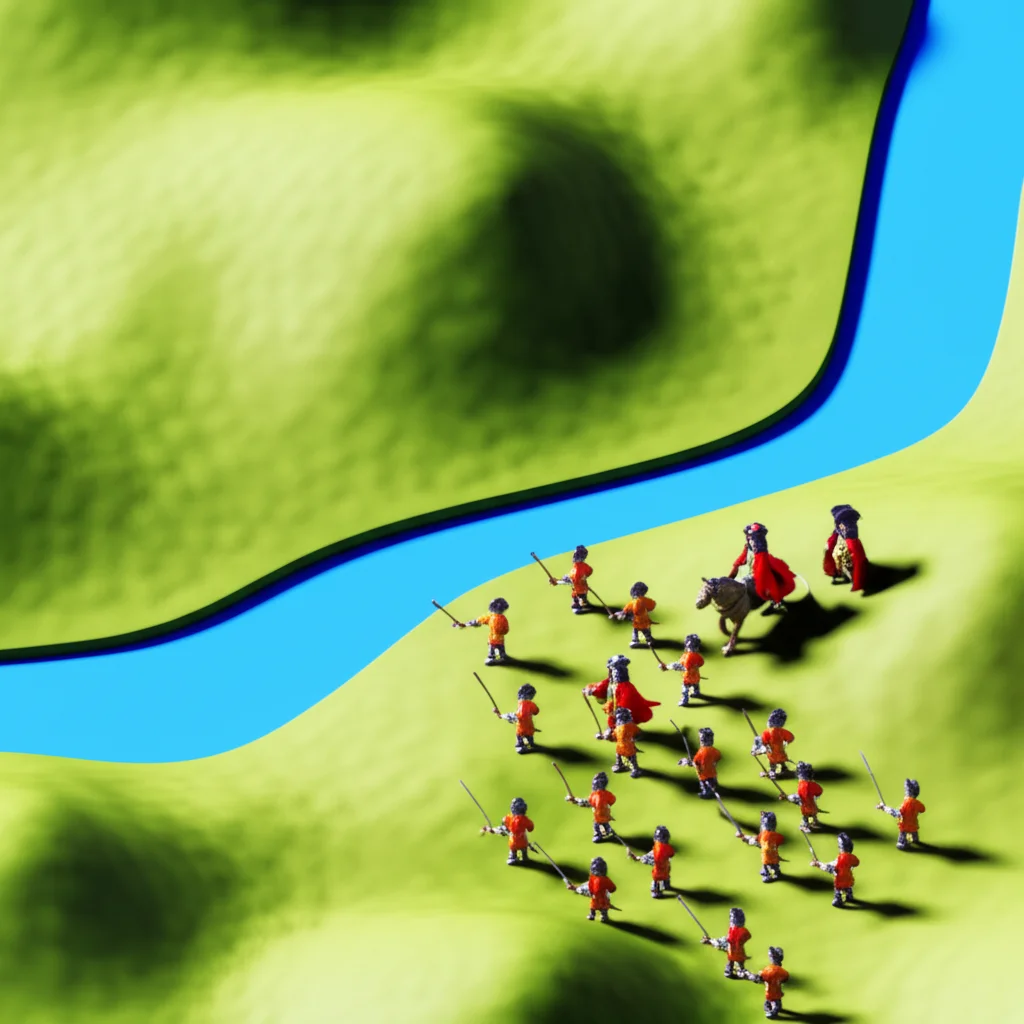
What happened at the Battle of the Boyne?
William III of Orange led his army across the River Boyne to defeat the forces of the deposed Catholic King James II in the decisive battle of the Williamite War in Ireland. James II, who had been overthrown in England's Glorious Revolution, had raised an army in Ireland to reclaim his throne but fled the field when the battle turned against him, earning the Irish nickname 'Seamus an Chaca.' The victory secured Protestant rule in Britain and Ireland and remains one of the most politically significant battles in Irish and British history.
Did you know?
William III of Orange was actually hit by a cannonball at the Boyne that grazed his shoulder, but he concealed the wound to keep morale high and led his troops across the river.
Sources and further reading
- Battle of the Boyne on Wikipedia for the full account, historiography and primary sources.
- How BattleGuess compiles and checks battle facts: see the About page.
Entry last reviewed 26 September 2026.