Fall of Babylon
539 BCE · Babylon (modern Iraq)
The Fall of Babylon was fought in 539 BCE in Babylon (modern Iraq) between Achaemenid Persian Empire vs the Neo-Babylonian Empire; Persian victory; Babylon fell with little resistance and the Neo-Babylonian Empire ended.
Fall of Babylon: quick facts
- Date
- 539 BCE
- Location
- Babylon (modern Iraq)
- Belligerents
- Achaemenid Persian Empire vs the Neo-Babylonian Empire
- Commanders
- Cyrus the Great vs Nabonidus and Belshazzar
- Result
- Persian victory; Babylon fell with little resistance and the Neo-Babylonian Empire ended.
- Era
- 🏛️ Ancient Egypt & Mesopotamia
- Quiz difficulty
- medium
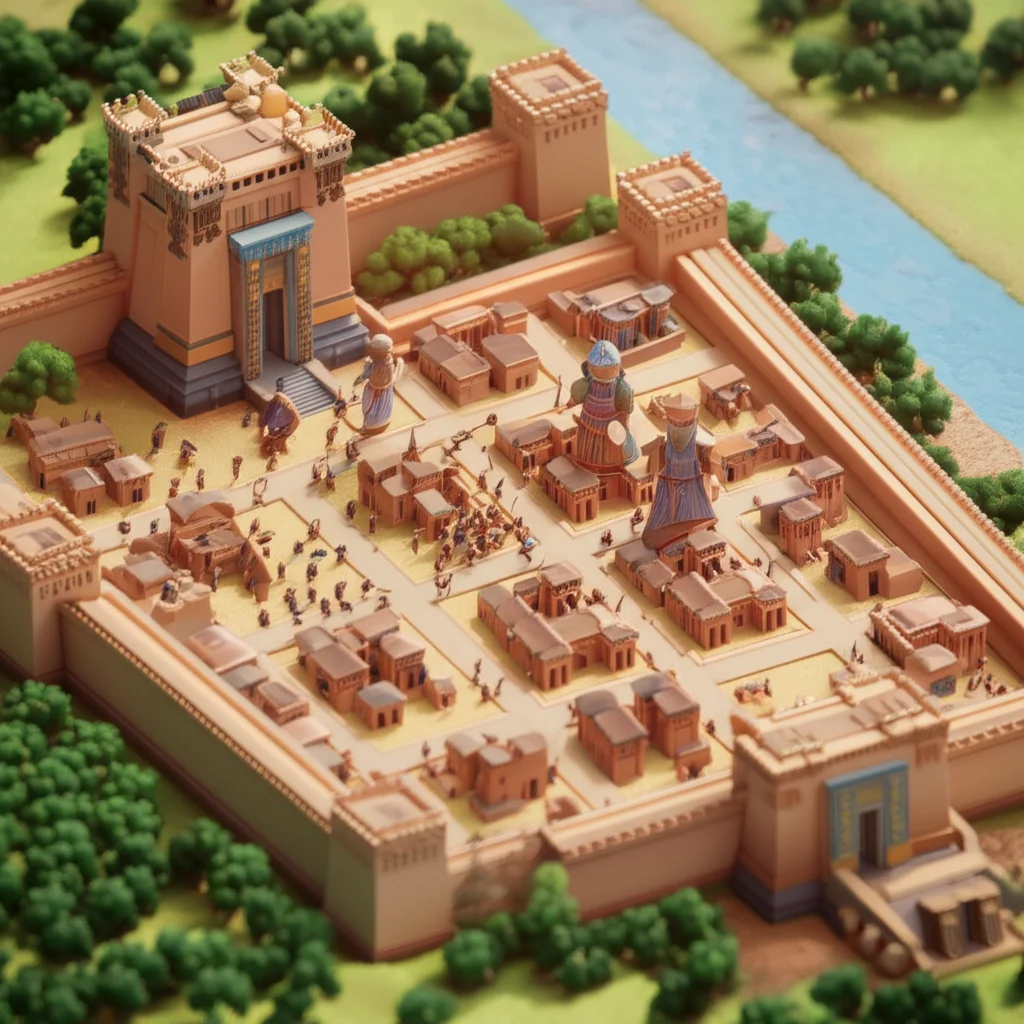
What happened at the Fall of Babylon?
Cyrus the Great of Persia captured Babylon, one of the ancient world's greatest cities, from King Nabonidus. According to the Greek historian Herodotus, the Persians diverted the Euphrates River, which flowed under the city walls, and entered along the dry riverbed while the Babylonians celebrated a festival. Cyrus presented himself as a liberator chosen by Babylon's god Marduk. He freed the captive Jewish population, earning praise in the Hebrew Bible. The Cyrus Cylinder, found in Babylon, is sometimes called the first declaration of human rights.
Did you know?
The Cyrus Cylinder, found in the ruins of Babylon, records Cyrus's decree freeing captive peoples and is sometimes called the world's first charter of human rights.
Sources and further reading
- Fall of Babylon on Wikipedia for the full account, historiography and primary sources.
- How BattleGuess compiles and checks battle facts: see the About page.
Entry last reviewed 26 September 2026.