What Were the Crusades
The Crusades were a series of religious wars fought between the 11th and 13th centuries, primarily between Christian European forces and Muslim powers in the Eastern Mediterranean. Launched by Pope Urban II in 1095, the First Crusade aimed to recapture Jerusalem and the Holy Land. Over the next two centuries, multiple Crusades were launched with varying degrees of success, involving complex alliances, brutal sieges, and dramatic battlefield encounters that shaped relations between Europe and the Middle East for centuries to come.
The First Crusade and the Siege of Jerusalem
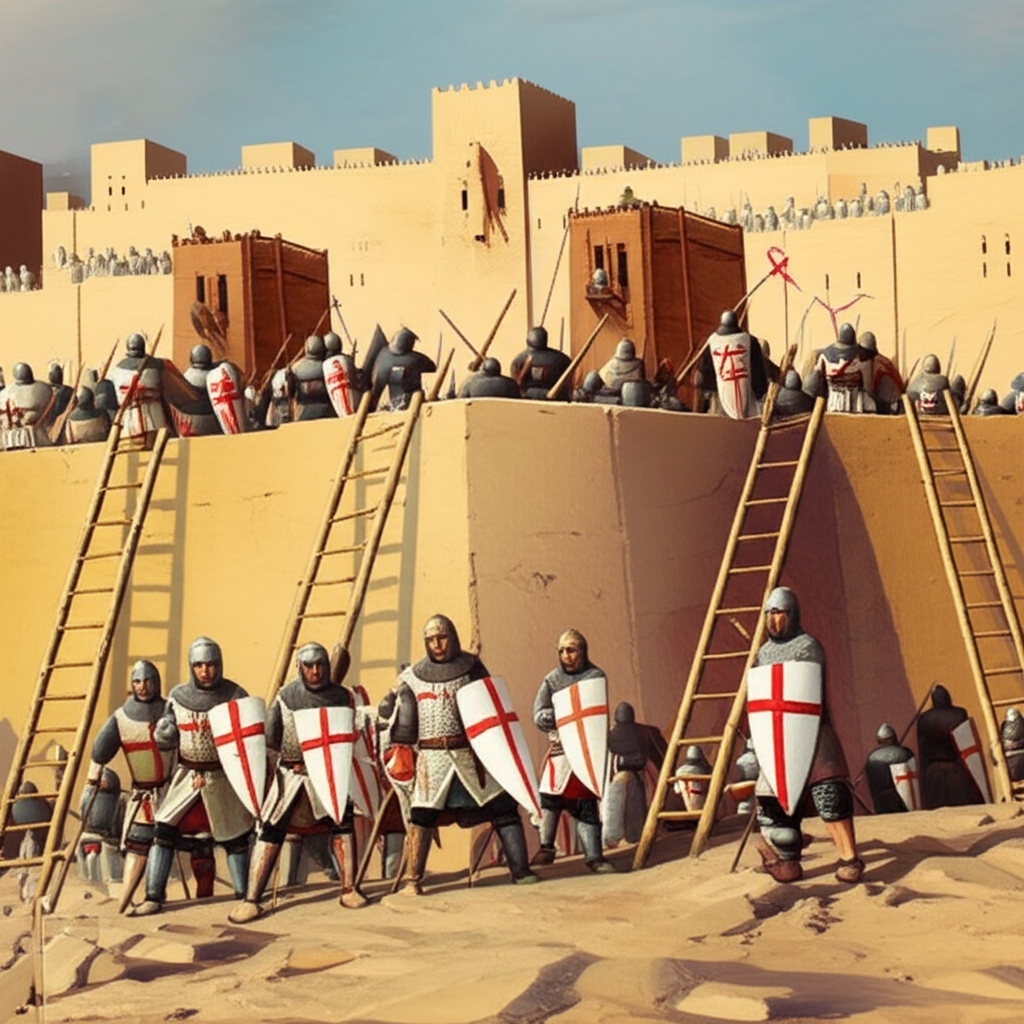
The First Crusade (1096-1099) was the most successful from a European perspective. After a grueling march across Anatolia and the Levant, the Crusaders besieged and captured Jerusalem in 1099. The siege was characterized by brutal close combat and the construction of siege towers under constant harassment from the defenders. The fall of Jerusalem sent shockwaves through the Islamic world and established the Crusader States along the eastern Mediterranean coast.
Hattin and the Fall of Jerusalem
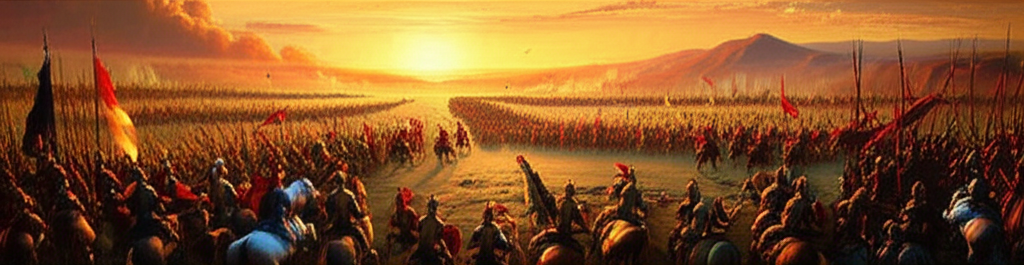
The Battle of Hattin in 1187 was one of the most decisive defeats suffered by the Crusaders. Saladin lured the Crusader army into a waterless desert near the Sea of Galilee, where heat and thirst destroyed their combat effectiveness before the battle even began. The resulting Muslim victory led to the recapture of Jerusalem and prompted the Third Crusade, which saw the legendary rivalry between Richard the Lionheart and Saladin. The Battle of Arsuf during the Third Crusade demonstrated that disciplined Crusader heavy cavalry could still defeat Muslim forces in open battle.
The Siege of Acre and the Later Crusades
The Siege of Acre (1189-1191) was one of the longest and most complex military operations of the Crusades, involving a double siege where Crusaders besieging the city were themselves besieged by a relief army. Later Crusades became increasingly political and commercially motivated, with the Fourth Crusade controversially sacking the Christian city of Constantinople in 1204. The fall of Acre) in 1291 ended the Crusader presence in the Holy Land.
Cultural and Economic Impact
The Crusades had lasting effects far beyond the military campaigns themselves. Contact between European and Islamic cultures led to significant exchanges of knowledge, technology, and trade goods.
- •European exposure to Islamic scholarship helped spark the Western Renaissance
- •Trade networks established during the Crusades enriched Italian city-states like Venice and Genoa
- •Arabic numerals, advanced medicine, and philosophical texts entered Europe through Crusader contacts
- •Military orders like the Knights Templar developed early forms of banking and international finance
- •The Crusades deepened divisions between Christianity and Islam that persist to this day
The Crusades in BattleGuess
Crusade-era battles are visually striking in BattleGuess, featuring knights in distinctive cross-marked surcoats, desert fortifications, and the colorful banners of both European and Islamic forces. Battles from this era appear in both the Medieval Europe and Ottoman & Islamic categories. Understanding the visual differences between Crusader and Islamic forces helps identify these battles quickly. Look for cross motifs on shields and surcoats for Crusader forces, and crescent symbols and lighter armor for Islamic armies.