Siege of Leningrad
1941 CE · Soviet Union (Russia)
The Siege of Leningrad was fought in 1941 CE in Soviet Union (Russia) between Soviet Union vs Germany and Finland; Soviet victory; the 872-day siege was lifted in January 1944.
Siege of Leningrad: quick facts
- Date
- 1941 CE
- Location
- Soviet Union (Russia)
- Belligerents
- Soviet Union vs Germany and Finland
- Commanders
- Georgy Zhukov and Leonid Govorov vs Wilhelm Ritter von Leeb and Georg von Küchler
- Result
- Soviet victory; the 872-day siege was lifted in January 1944.
- Casualties
- more than a million civilians died, most from starvation
- Era
- 🪖 World Wars
- Quiz difficulty
- medium
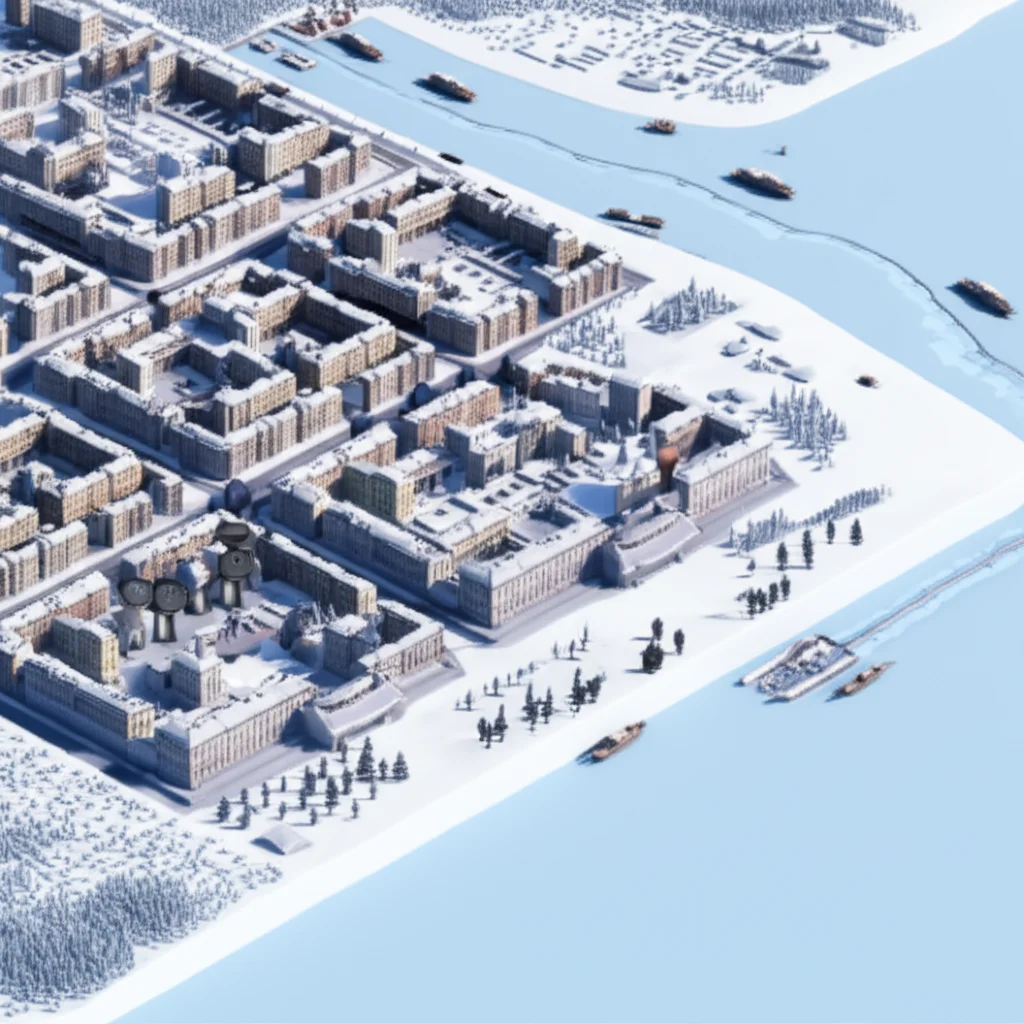
What happened at the Siege of Leningrad?
The 872-day German siege of Leningrad was one of the most devastating episodes of World War II. Cut off from supplies, the city's population endured unimaginable suffering: over one million civilians died from starvation, disease, and bombardment. The only supply route was the 'Road of Life' across frozen Lake Ladoga in winter. Despite the horrors, the city never surrendered, and its resistance became a powerful symbol of Soviet determination and sacrifice.
Did you know?
During the Siege of Leningrad, the city's symphony orchestra performed Shostakovich's Seventh Symphony in the besieged city, with the concert broadcast on loudspeakers so the German besiegers could hear it too.
Sources and further reading
- Siege of Leningrad on Wikipedia for the full account, historiography and primary sources.
- How BattleGuess compiles and checks battle facts: see the About page.
Entry last reviewed 26 September 2026.