A Continent in Chains
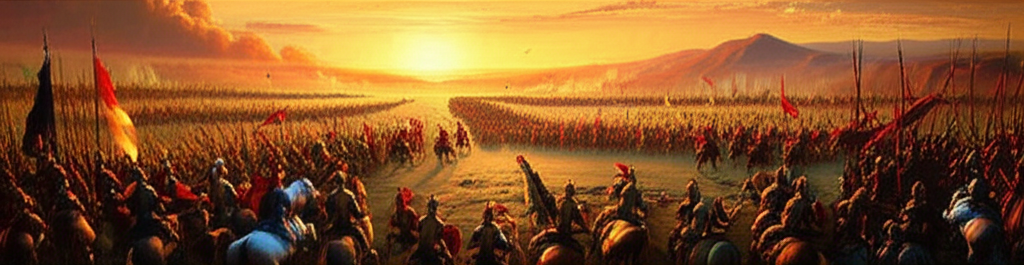
By the early 19th century, Spanish and Portuguese colonial rule in the Americas had lasted over three hundred years. Inspired by the American and French Revolutions, and taking advantage of the chaos caused by Napoleon’s invasion of Spain, independence movements erupted across Latin America. From Mexico to Argentina, colonial populations rose against their European rulers in a series of wars that would create over a dozen new nations.
Simon Bolivar: The Liberator
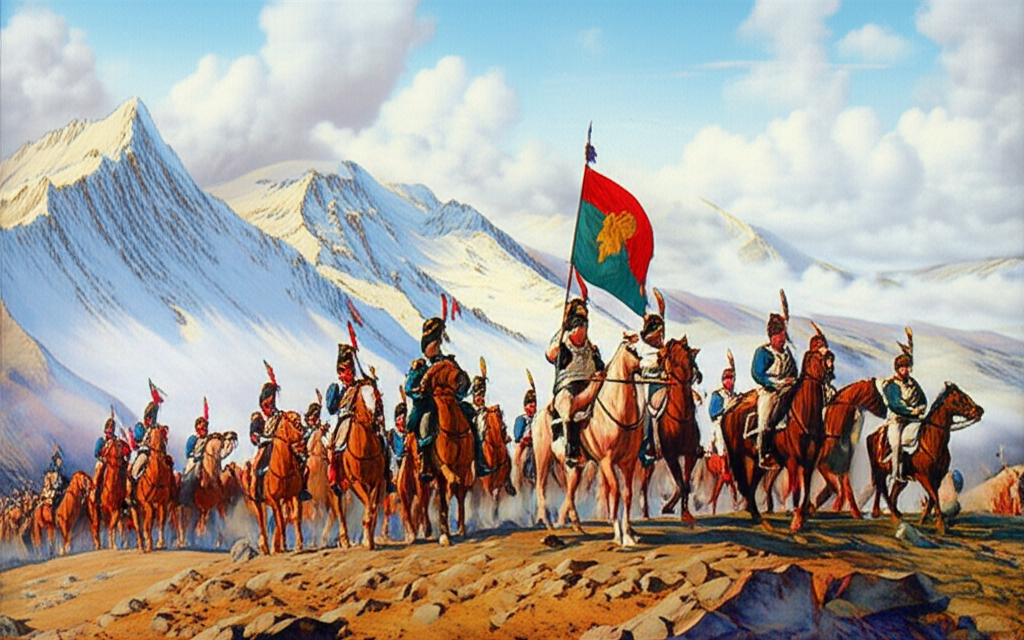
Simon Bolivar is the towering figure of South American independence. His campaigns across Venezuela, Colombia, Ecuador, Peru, and Bolivia combined military brilliance with political vision. The Battle of Boyaca in 1819 secured Colombian independence after a dramatic march across the Andes that caught the Spanish completely off guard. The Battle of Carabobo in 1821 liberated Venezuela, and the Battle of Pichincha in 1822, fought on the slopes of an active volcano, freed Ecuador.
Jose de San Martin and the Southern Campaign
While Bolivar liberated the north, Jose de San Martin led the independence campaigns in the south. His crossing of the Andes from Argentina into Chile in 1817 is compared to Hannibal’s crossing of the Alps for its audacity and difficulty. The Battle of Chacabuco secured Chilean independence, and the Battle of Maipu confirmed it. San Martin then advanced into Peru, where his forces and Bolivar’s would eventually converge to deliver the final blow to Spanish colonial power at the Battle of Ayacucho in 1824.
Key Battles of the Liberation
The wars of independence produced dozens of significant engagements across the continent. These are the most important battles that students of Latin American history should know.
- •Boyaca (1819) — secured Colombian independence after Bolivar’s Andes crossing
- •Carabobo (1821) — the decisive battle for Venezuelan independence
- •Chacabuco (1817) and Maipu (1818) — San Martin’s victories that freed Chile
- •Ayacucho (1824) — the final major battle of the South American independence wars
- •Puebla (1862) — Mexican forces defeated a French army, now celebrated as Cinco de Mayo
Mexico and Central America
Mexico’s path to independence was equally dramatic. The Battle of Puebla in 1862, celebrated as Cinco de Mayo, saw Mexican forces defeat a French army that had been considered one of the finest in the world. Earlier, the wars of independence had involved complex alliances between indigenous peoples, mestizo populations, and Creole elites, each with different visions for the new nation.
Explore Latin American Battles
Latin American battles are among the newest additions to BattleGuess, covering conflicts from the Inca Empire through the Chaco War. These battles feature distinctive visual elements: Andean mountain landscapes, tropical forests, cavalry-heavy warfare on the pampas, and the unique mixture of European military traditions with indigenous fighting styles. Explore the Latin American Wars era in BattleGuess to test your knowledge of these under-studied but fascinating conflicts.